The Africa Centres for Disease Control and Prevention (Africa CDC) has declared its first public health emergency of continental security (PHECS) amid a complex and worsening mpox situation in Africa, especially a surge in the Democratic Republic of the Congo that partly involves a novel clade 1b virus.
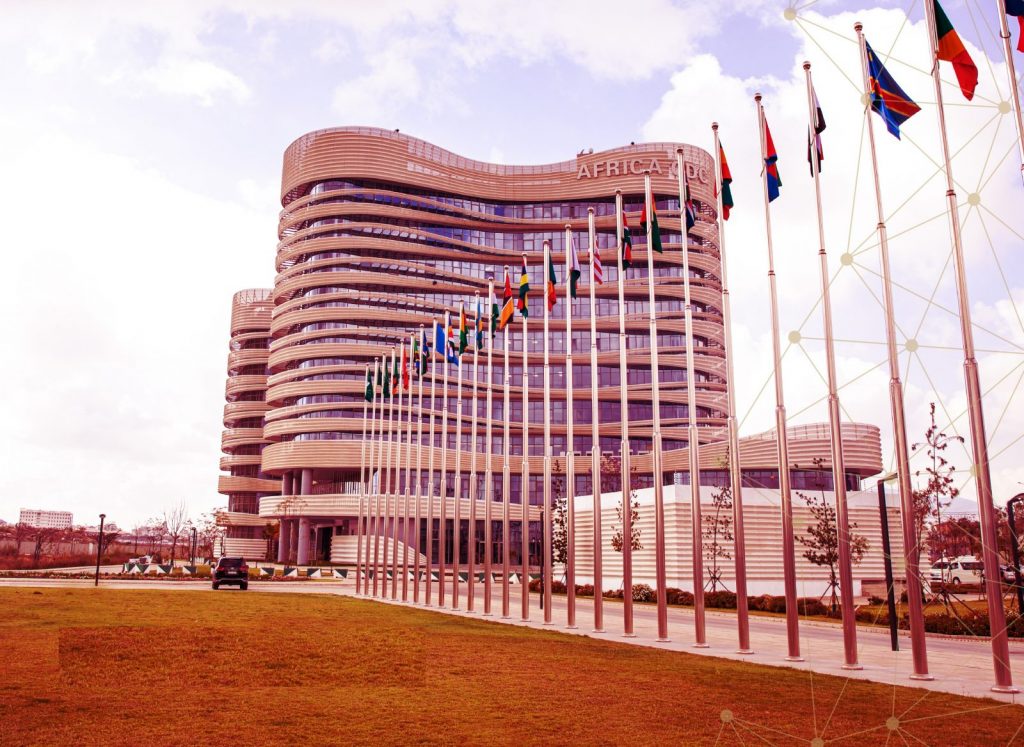
Africa CDC Director General Dr. Jean Kaseya emphasized the urgency of swift and decisive action: “Today, we declare this PHECS (public health emergency of continental security) to mobilize our institutions, our collective will, and our resources to act—swiftly and decisively. This empowers us to forge new partnerships, strengthen our health systems, educate our communities, and deliver life-saving interventions where they are needed most. There is no need for travel restrictions at this time.”
At least 13 African countries, including previously unaffected nations like Burundi, Kenya, Rwanda, and Uganda, have reported Mpox outbreaks. So far in 2024, these countries have confirmed 2,863 cases and 517 deaths, primarily in the Democratic Republic of the Congo (DRC). Suspected cases across the continent have surged past 17,000, a significant increase from 7,146 cases in 2022 and 14,957 cases in 2023. This is just the tip of the iceberg when we consider the many weaknesses in surveillance, laboratory testing and contact tracing.
Dr. Kaseya explained that the emergency declaration follows wide consultations, including a unanimous decision by the Africa CDC Emergency Consultative Group (ECG), chaired by Professor Salim Abdool Karim, head of CAPRISA, an AIDS research program based in Durban, South Africa.
Prof. Karim highlighted that limited surveillance and evidence suggest the situation could be more severe than currently understood. “The number of cases has significantly increased compared to 2022 when WHO declared Mpox a public health emergency. It’s clear that we’re facing a different scenario with far more cases, resulting in a higher burden of illness,” he said. He also raised concerns about the rising fatalities, particularly the potential link between HIV and Mpox. “Our concern is that we may be seeing more fatalities in Africa due to the association with HIV,” he noted.
Cross-border transmission to previously unaffected countries was also a concern, prompting the ECG to urge the strategic distribution of the limited vaccines available. The lack of diagnostic capabilities was identified as a critical issue requiring urgent attention, and the ECG encouraged the development of response plans, promising to provide input and support.

Dr. Kaseya underscored the gravity of the situation stating “This is not just another challenge; it’s a crisis that demands our collective action.
From May 2022 to July 2023, Mpox was declared a Public Health Emergency of International Concern (PHEIC) by the WHO. However, Africa did not receive the support it urgently needed during this period. As global cases began to decline, the escalating numbers in Africa were largely ignored. Dr. Kaseya emphasized the need for a change in approach: “We urge our international partners to seize this moment to act differently and collaborate closely with Africa CDC to provide the necessary support to our Member States.”
He continued, appealing to global partners: “We call on you to stand with us in this critical hour. Africa has long been on the frontlines in the fight against infectious diseases, often with limited resources. The battle against Mpox demands a global response. We need your support, expertise, and solidarity. The world cannot afford to turn a blind eye to this crisis.”
To address the Mpox outbreak in Africa, Africa CDC has set up a 25-member Incident Management Team based at the epicenter of the Mpox epidemic with mandate to support affected and at-risk countries. Africa CDC has also signed a partnership agreement with the European Commission’s Health Emergency Preparedness and Response Authority (HERA) and Bavarian Nordic to provide over 215,000 doses of the MVA-BN® vaccine—the only FDA and EMA-approved Mpox vaccine. Africa CDC will oversee the equitable distribution of these vaccines, prioritizing local needs across the affected Member States.
Mpox is a viral illness caused by the monkeypox virus, with two distinct clades: Clade I and Clade II. Common symptoms include a skin rash or mucosal lesions lasting 2–4 weeks, fever, headache, muscle aches, back pain, low energy, and swollen lymph nodes. The virus can be transmitted to humans through physical contact with an infectious person, contaminated materials, or infected animals.
The new variant spreads more easily through routine close contact, as seems to be the case among children.

Hello there.
My name is Chet. I’m a professional in placing posts and texts on different internet websites.
I am looking into your website fairviewafrica.com and I would like to inquire about the rates and requirements for publishing articles. To make it easy and quick clarification of all aspects, I have prepared a questionnaire https://forms.gle/58NDRfrHg3RMdRcW7
It usually takes no more than 3 minutes but will make clear most the info of the project and boost every stage of your future partnership.
Thank you so much in advance for your time and I’m looking forward to a effective collaboration.
If you require any further info about the questionnaire or anything else, feel free to get in touch with me.
Regards, Chet
Are you still looking at getting your website done/ completed? Contact e.solus@gmail.com
Struggling to rank on Google? Our SEO experts can help. Contact es.olus@gmail.com