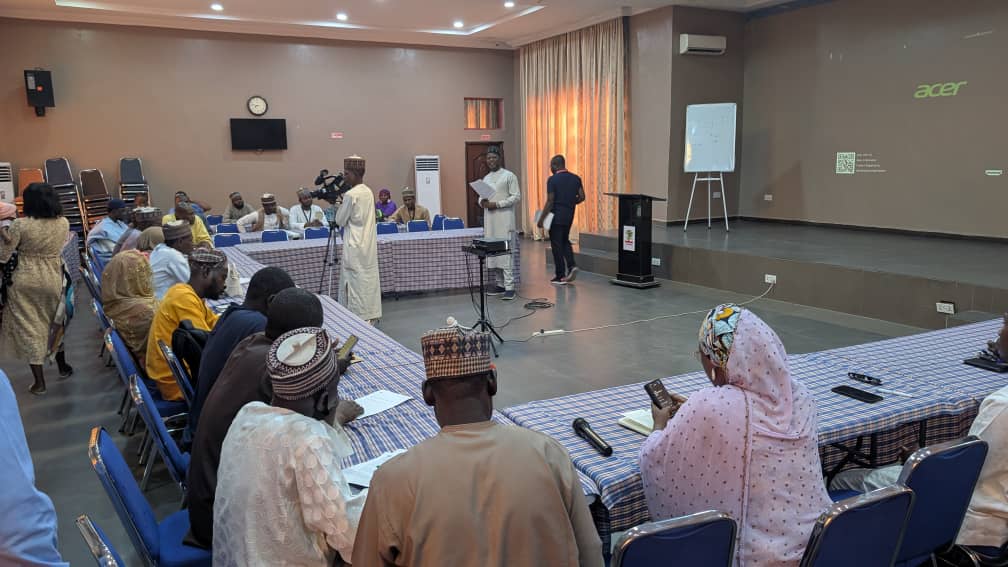
A high-level dialogue in Damaturu marking the 2026 International Day of Education (IDE), education and humanitarian experts sounded the alarm on a severe crisis facing Nigeria’s education sector, calling for urgent and collective action.
Mr. Iliya Joseph, Co-lead of the Education Emergency Working Group for Save the Children International in Yobe, revealed that more than 28 million Nigerian children and adolescents currently lack access to formal schooling or digital learning.
He presented a dire picture of an educational system under siege, attributing part of the crisis to widespread insecurity.”Between 2014 and 2022, Nigeria recorded 70 school attacks, 1,683 learners abducted, 184 killed, and 25 school buildings destroyed,” Joseph stated during the event, held under the theme “The Power of Youth in Co-Creating Education.
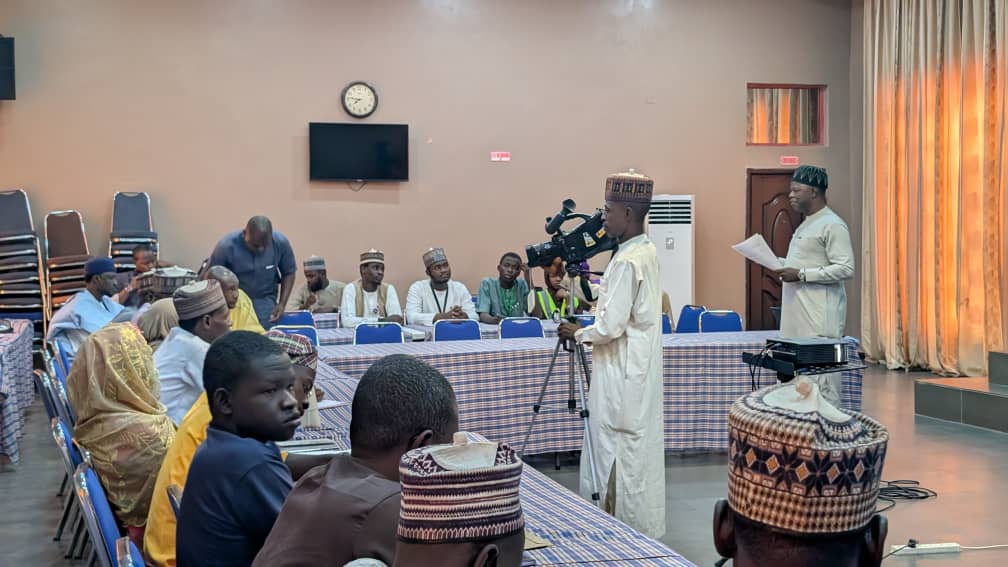
“Citing current data, Joseph highlighted the scale of the challenge, UNICEF figures show 10.5 million primary school age children 25.6% are out of school, with girls comprising 60% of this number.
Furthermore, the WorldMetrics Nigeria Education Report 2025 places the nation’s secondary school gross enrolment rate at a mere 42%.To address this emergency, Joseph called for a multi pronged response, including a significant increase in government investment in education, the full implementation of the Safe Schools Declaration, and enhanced security measures to protect students and schools.
Central to his message was the vital role of young people. “Young people must be recognised not merely as beneficiaries, but as active co-creators of education policies, systems, and innovations,” he asserted, emphasizing that their leadership is critical in overcoming current challenges.
The dialogue aimed to promote inclusive education, amplify youth voices in policy-making, and mobilise stakeholders towards achieving Sustainable Development Goal 4 on quality education. Other objectives included strengthening community engagement in crisis-hit regions like the North-East and advocating for safer, more inclusive learning spaces.Echoing the national concerns, Mr. Farooq Chiromari, State Coordinator for the Personal Diagnosis, Recovery and Stability Programme, disclosed that Yobe State alone has over 582,176 out-of-school children.
He stressed the imperative for government, donors, and partners to collaborate with traditional institutions to boost enrolment and retention.In his response, Mr. Abdu Haladu, Director of Schools and Academic Services at the Yobe State Universal Basic Education Board, reaffirmed the state government’s commitment. He outlined ongoing efforts to strengthen partnerships with organizations, including the Education in Emergency Working Group, to advance education delivery.
The event featured panel discussions with representatives from civil society, youth groups, parents, and development partners, focusing on youth leadership, innovation, and community roles in rebuilding resilient education systems. Organisers expressed hope that the outcomes would be integrated into state development plans and education programmes nationwide.